
Russia Accelerates Development and Certification of New Domestic Potato Varieties in 2026
Tus yuam sij takeaways
- 60-65 t/ha is the potential irrigated yield of Alfa
- 4 regions are now approved to grow the two-toned Mira
- 11 varieties reach super-elite seed status in Stavropol
- 2 heat- and drought-tolerant varieties bred at Gorsky Univ
Vim li cas nws tseem ceeb
- Rau cov neeg ua liaj ua teb
- Farmers in the Volga-Vyatka region and the four regions cleared for Mira can add these newly registered varieties to next season's seed choices.
- Rau cov neeg muag khoom
- Seed producers should track Alfa's State Commission testing and the scale-up of super-elite multiplication for the 11 certified varieties.
Kev piav qhia luv luv 60 vib nas this
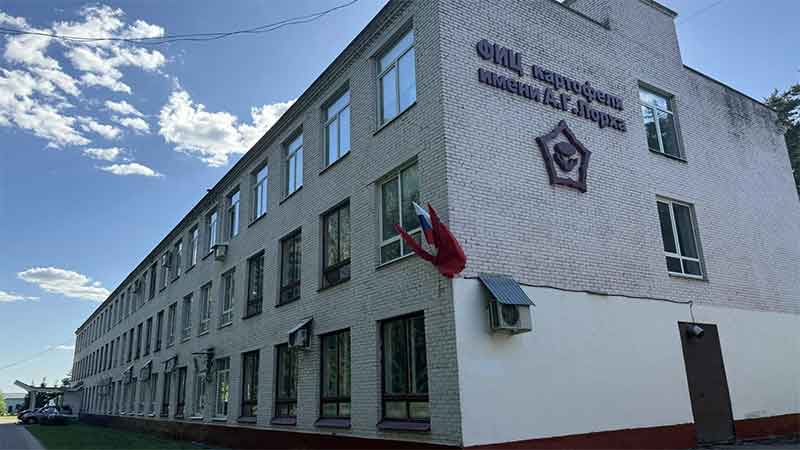
Russia pushed ahead in 2026 with breeding and certifying new domestic potato varieties. The Federal Research Center of Potato named after Lorkh developed a mid-early variety, Alfa, with red skin, yellow flesh, virus resistance, and a potential yield of 60-65 t/ha under irrigation, now submitted to the State Commission for testing. The State Register of Breeding Achievements also gained Konkurent and Shudbur for the Volga-Vyatka region, plus Mira, a two-toned variety from Krasnoyarsk State Agrarian University now approved in four regions. Gorsky State Agrarian University bred Farn and Adeon, built to withstand heat, drought, and viruses. On seed production, Rosselkhoztsentr is certifying seed-growing farms in Stavropol Krai, where the Meristemnye Kultury greenhouse complex is producing super-elite seed potatoes across 11 varieties, including Valentina and Volzhanin. Together, this points to a national push to strengthen Russia's seed supply and cut reliance on imports.
In 2026, Russia is actively advancing the creation and certification of new domestically bred potato varieties. The Federal Research Center of Potato named after Lorkh has developed a new mid-early variety, “Alfa,” distinguished by its red skin, yellow flesh, resistance to viruses, and potential yield of up to 60–65 t/ha under irrigation; the variety has already been submitted to the State Commission for testing. Several other new varieties have been added to the State Register of Breeding Achievements, including “Konkurent” and “Shudbur” for the Volga-Vyatka region, and “Mira,” a two-colored-skin variety from Krasnoyarsk State Agrarian University approved for cultivation in four regions. Meanwhile, scientists at Gorsky State Agrarian University have bred “Farn” and “Adeon,” varieties resistant to heat, drought, and viruses, addressing the needs of hotter climates.
Kev Qhia Txog Qos Yaj Ywm Thoob Ntiaj Teb
Tsib zaj dab neeg zoo tshaj plaws, cov nqi, cov lus ceeb toom txog kab mob thiab cov xwm txheej. Sawv ntxov hnub ua haujlwm, tsis muaj kev tshaj tawm.
Dab tsi tom ntej
Alfa now goes through State Commission testing before it can be registered for wider use, while Rosselkhoztsentr continues certifying seed farms in Stavropol Krai.
Txuas nrog cov ntaub ntawv no
- Lub teb chaws
- Zog ntawm Guj kuj
- tuam txhab uas muag
- Meristemnye Kultury
Lwm yam dab neeg
Qaib ntxhw: Lub koom haum Niğde sau cov Super-Elite Minitubers los ntawm Hydroponic System
Lavxias: Cov Neeg Tshawb Xyuas Primorye Tshawb Xyuas 6,700 Tons ntawm Cov Qos Yaj Ywm Noob Los Ntawm 2,260 Hectares


