Kenya: AfricaBlight Network Tau Tsim Los Kho Kab Mob Uas Nqi Txog Li USD 7 Billion Ib Xyoos
Lub Koom Haum AfricaBlight, uas tau tsim tawm rau hnub tim 27 Lub Kaum Hli hauv Naivasha, yuav pib hauv Kenya, Rwanda, Ethiopia thiab Eritrea nrog cov neeg saib xyuas, kev kwv yees thiab kev cob qhia cov neeg ua liaj ua teb.
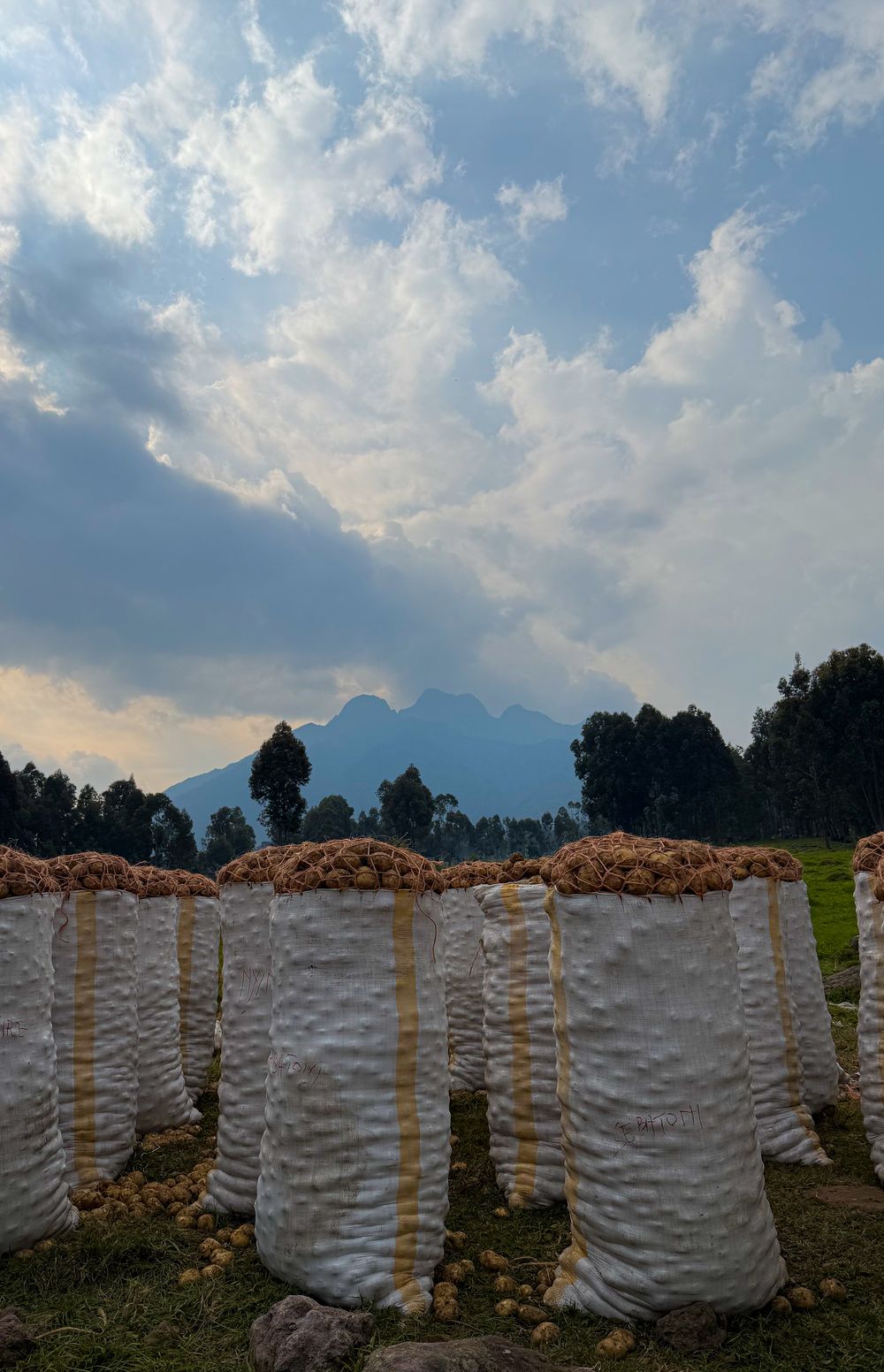
Researchers and potato-sector partners have launched the AfricaBlight Network to build a coordinated African response to late blight, a disease estimated to cost the global potato sector USD 3–7 billion a year. The network, set up on 27 October in Naivasha, Kenya, will start with Kenya, Rwanda, Ethiopia and Eritrea. Its first tasks are naming national coordinators, widening weather-based forecasting and training farmers.
What the network is
AfricaBlight was launched during the 13th World Potato Congress and is described by the International Potato Center (CIP) as an African-led effort. It draws on three existing networks: AsiaBlight, Tizón Latino and EuroBlight. Participation is open to countries across Africa beyond the four priority states.
The inaugural meeting brought together CIP, the CGIAR Capacity Sharing Accelerator (CapSha), Beijing Huisi Junda Technology, CARAH of Belgium, the James Hutton Institute, the three sister networks and World Potato Congress representatives. In Kenya, CIP works with the Kenya Agricultural and Livestock Research Organization (KALRO), and CapSha may support knowledge exchange between Asia and Africa.
Hnub ua haujlwm. Tshem tawm kev sau npe hauv ib qho nias.
Dr Joyce Maru, CIP Regional Director for Africa, said the launch “provides an opportunity to bring countries and partners together”.
Why late blight needs a regional answer
Kab mob lig, ua rau los ntawm Phytophthora infestan, can spread quickly in favourable weather and cause severe losses within days. Besides the global loss estimate, CIP’s release says fungicide expenses can reach 10–25% of the total value of a potato harvest.
“Effective late blight management requires more than access to tolerant varieties and fungicides,” said Dr Kalpana Sharma, Plant Health Lead at CIP. That is the logic of a network: forecasting, surveillance and advice work best when they are shared across borders, because a pathogen does not stop at them.
Comparable networks already give growers elsewhere a shared picture of the pathogen. Dr Peter VanderZaag, President of the World Potato Congress Inc., who inaugurated the launch, said AfricaBlight “can build on these lessons to connect expertise” and strengthen national capacities.
Dab tsi los tom ntej
The published priorities are concrete but have no dates or budget attached:
- identifying national coordinators in the priority countries;
- expanding access to weather-based disease forecasting;
- strengthening farmer training;
- exploring partnerships for late blight surveillance and pathogen genotyping;
- seeking funding for training, workshops and national capacity from national funders, development partners and the private sector.
Funding is therefore still to be secured, and the network’s value will depend on what national coordinators can deliver. The effort adds to recent work on East African seed and variety systems, including the new BOLD phase in Kenya thiab community seed multiplication in Nakuru and Nyandarua.
What this means for the sector
- For growers in priority countries: forecasting and training are the first practical outputs to watch. Until they arrive, spray timing remains a decision to take with your agronomist or extension service.
- For input and seed suppliers: shared genotyping data can show which pathogen populations are present, which matters for variety recommendations.
- For funders and national bodies: the network has named its countries and priorities but not its budget, so national buy-in is the next test.
Qhov chaw: PotatoPro / International Potato Center (CIP), 2 November 2026.